

 English
 Español
 Deutsch
 عربى
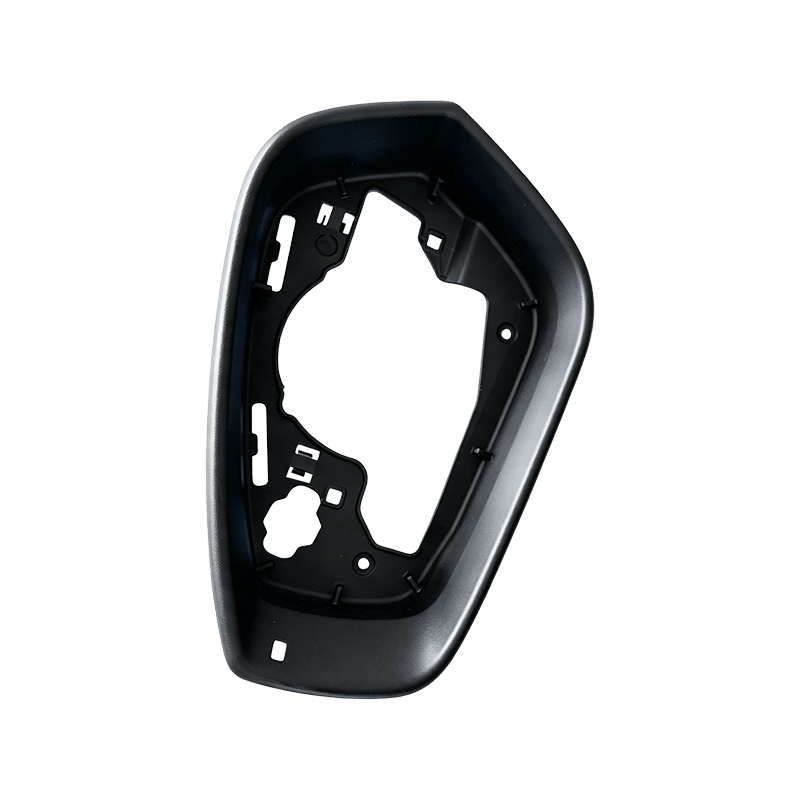
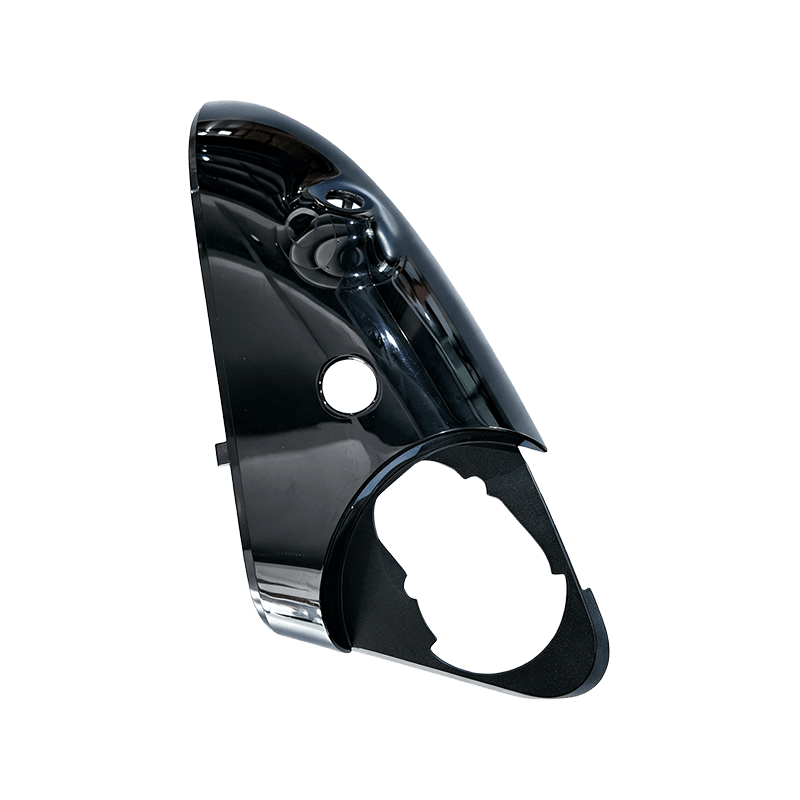
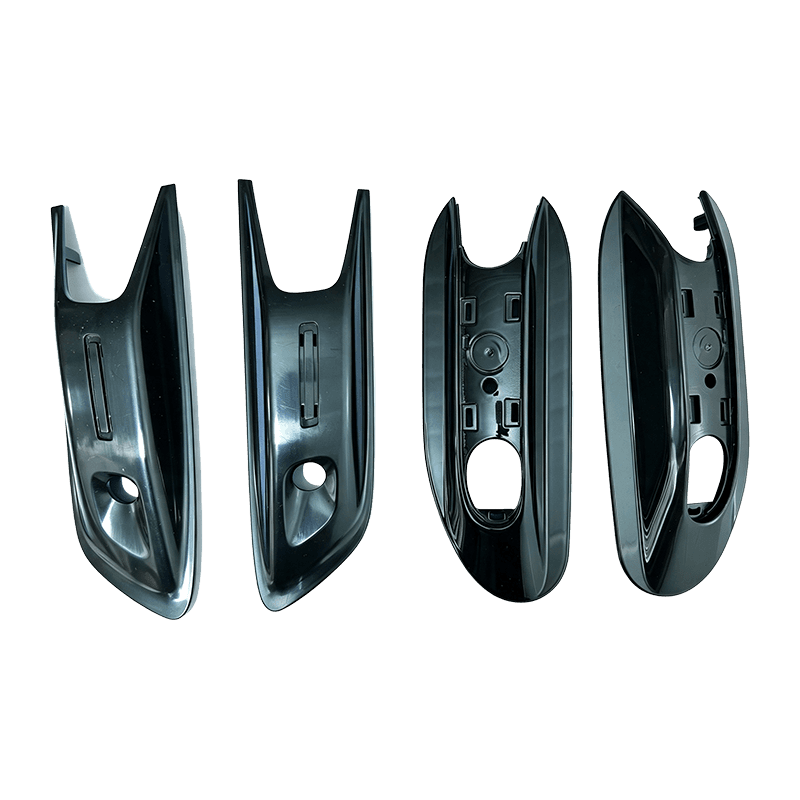
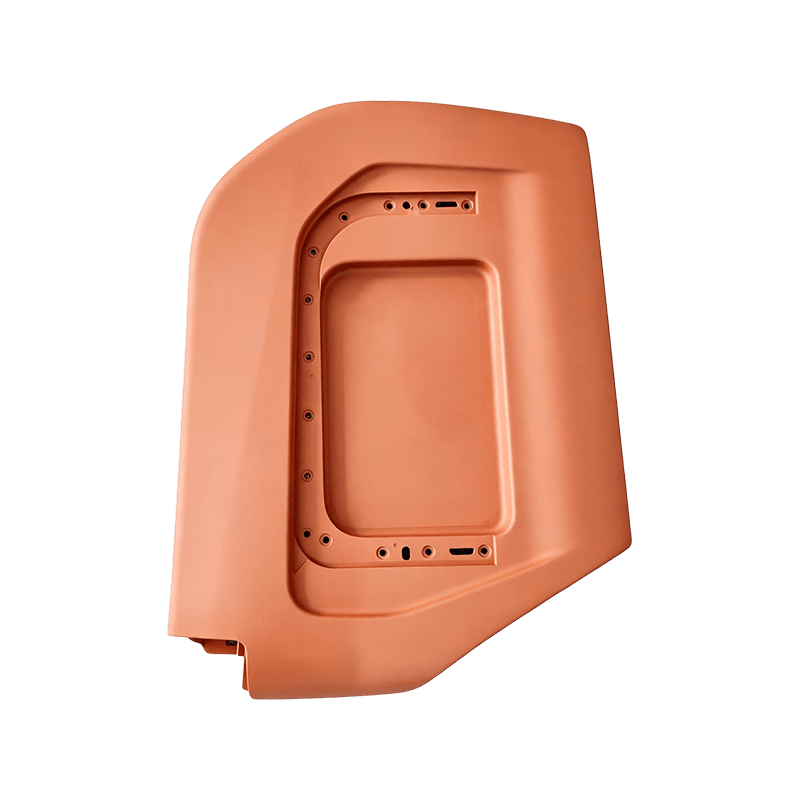
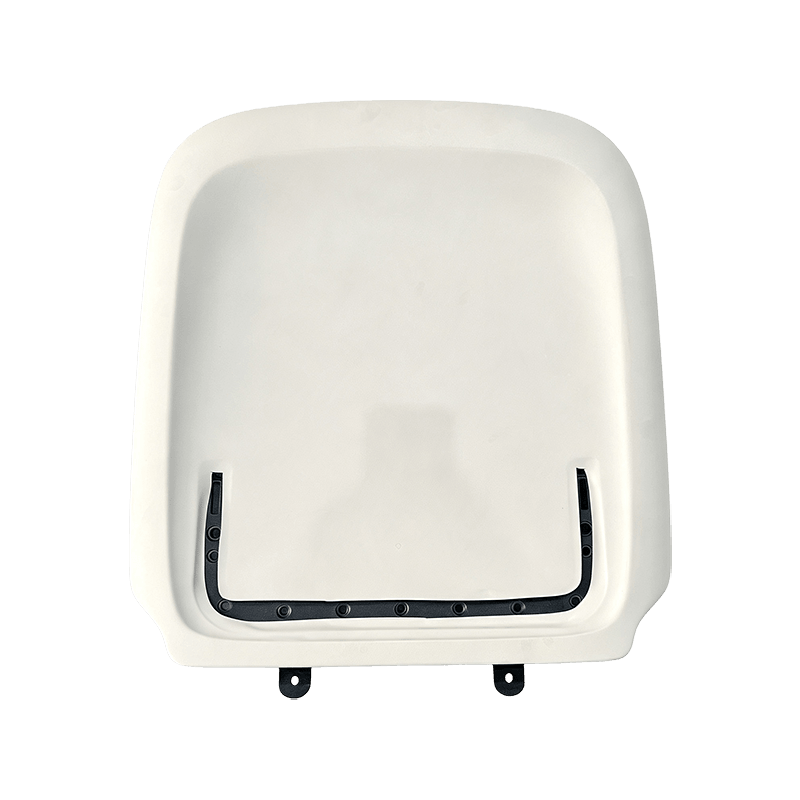
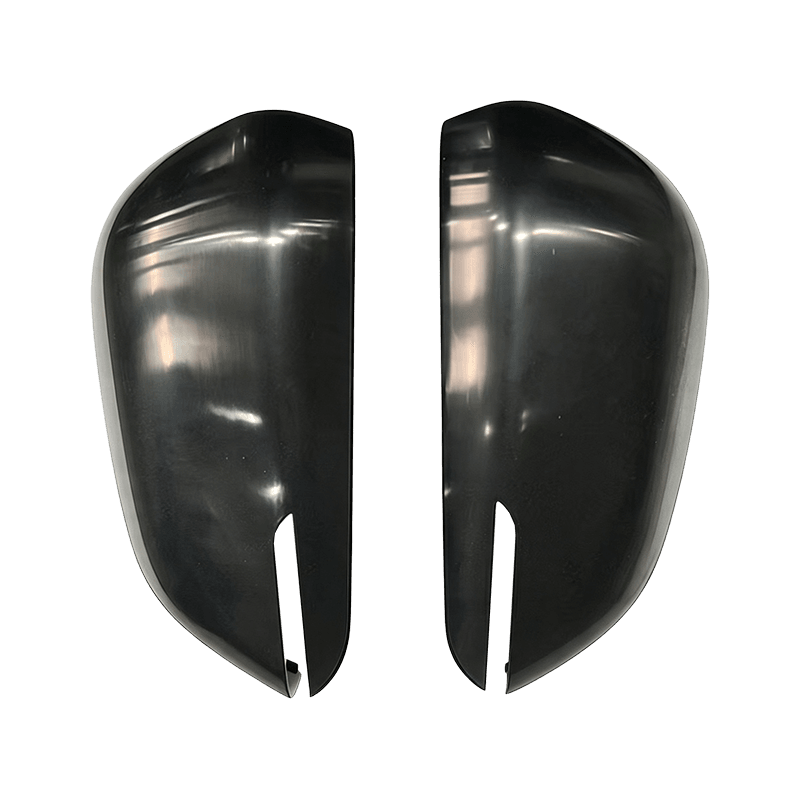
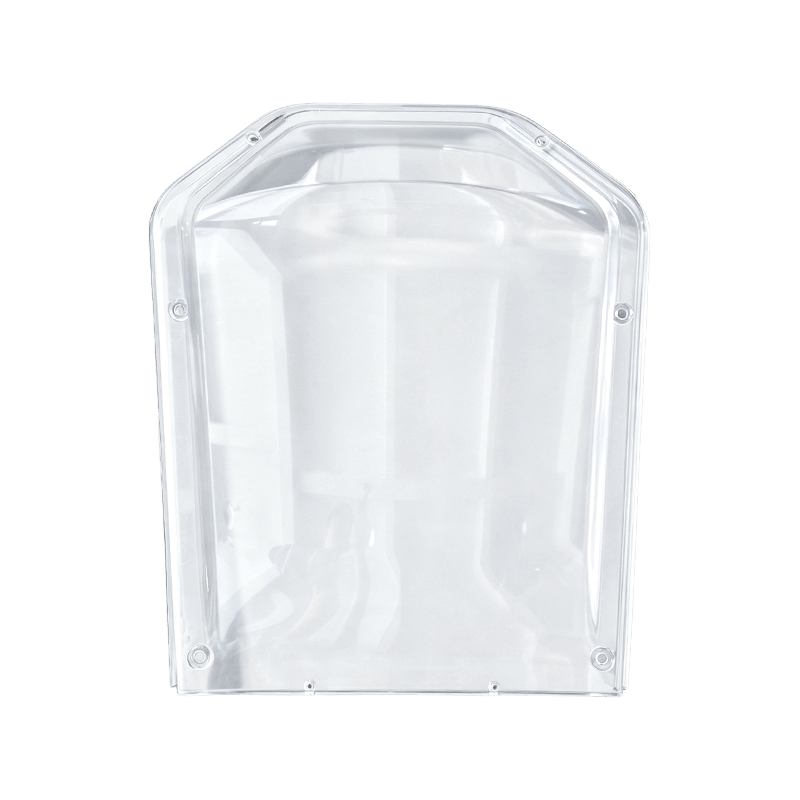
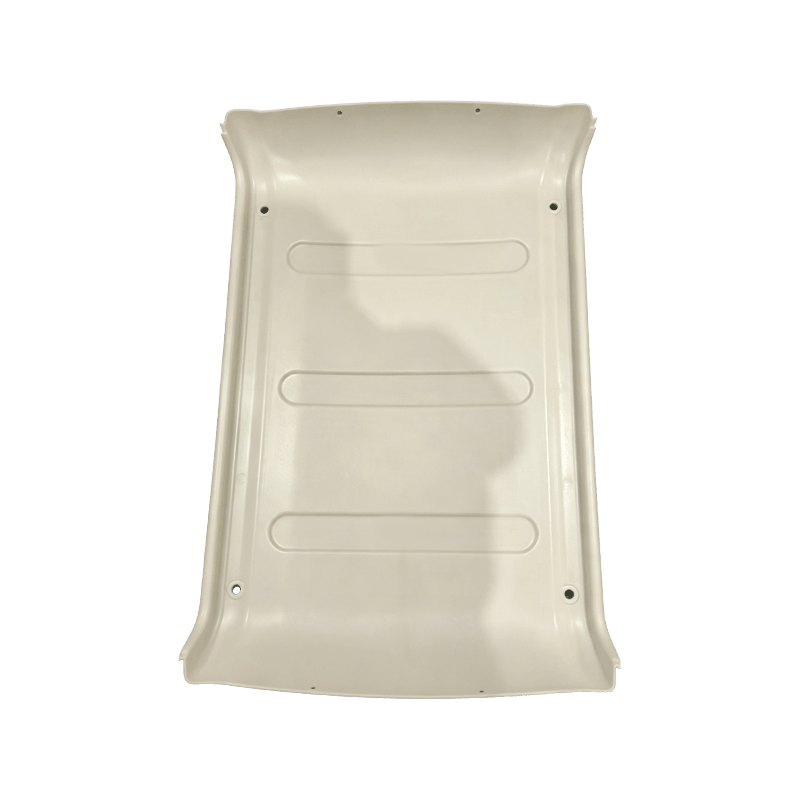
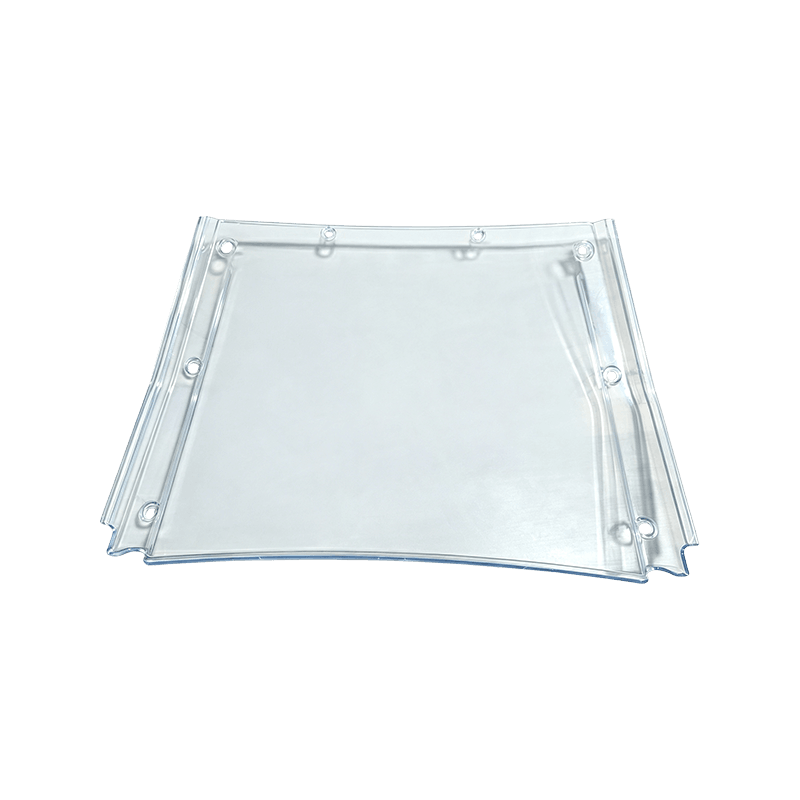
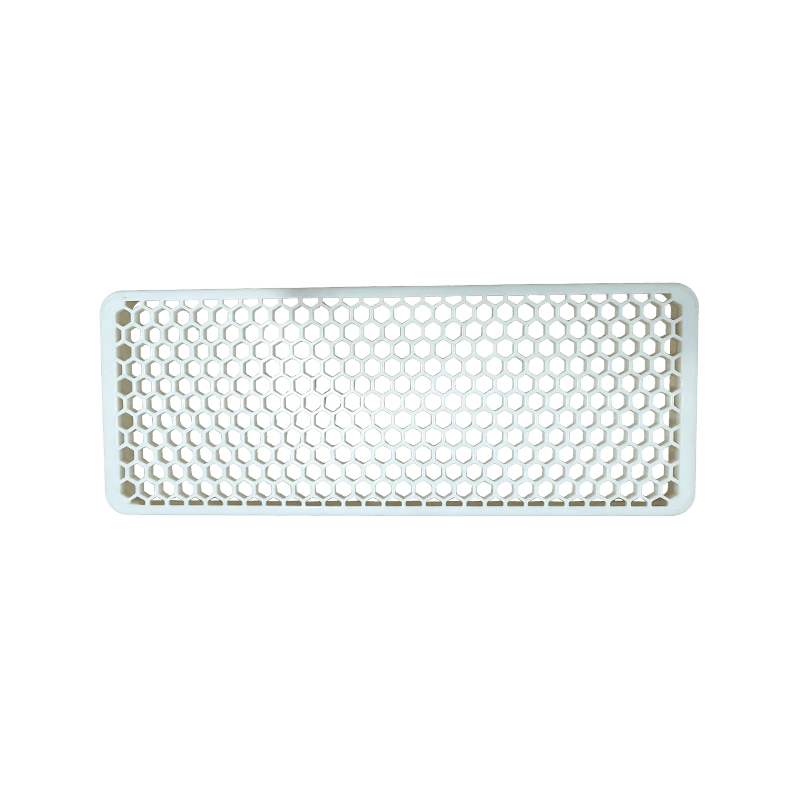
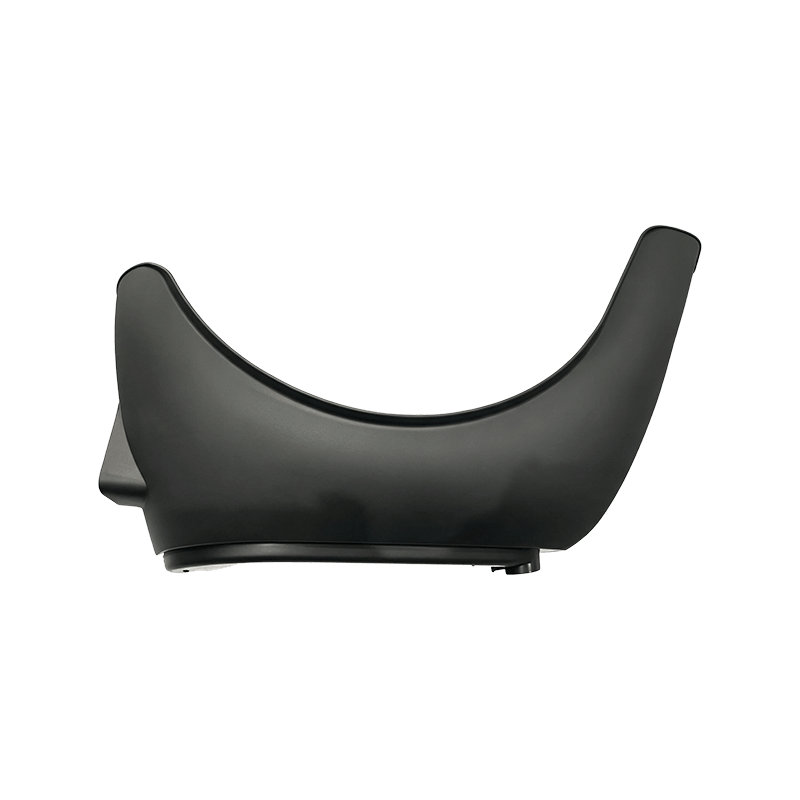
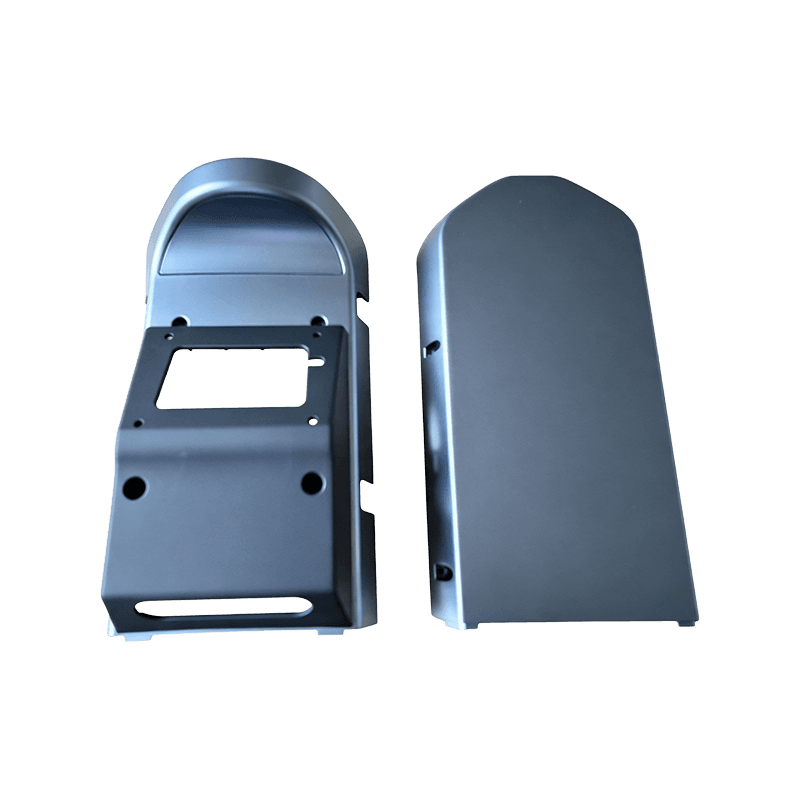
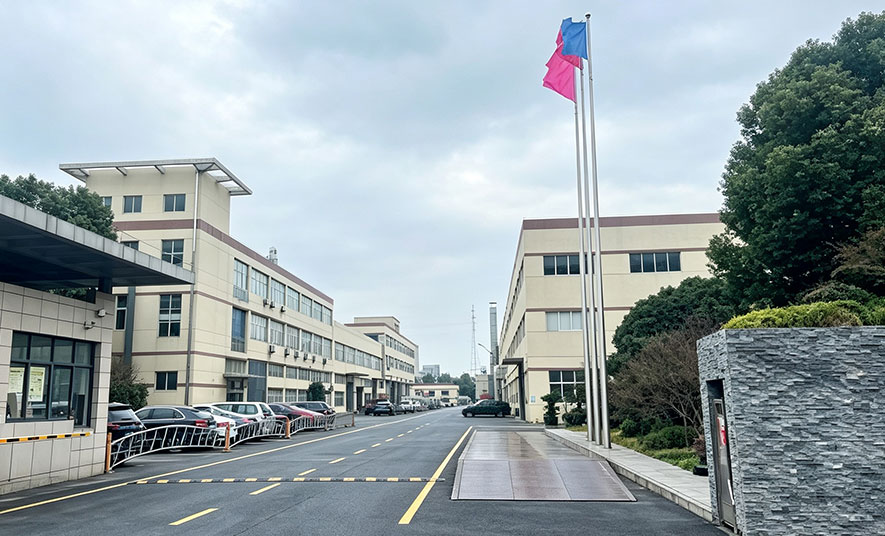


Jiaxing Kaidi Technology Co., Ltd is a custom injection molding manufacturer in Jiaxing, Zhejiang, China, producing molded plastic components together with the tooling that makes them and the paint finish that completes them. Established in 2007 on a 52-acre site with 35,000 m² of factory floor, we operate injection molding and spray painting workshops staffed by more than 100 people, over half of them technicians. Automotive interior and exterior trim, motorcycle bodywork, robot and automation housings, appliance components and pet product parts all move through the same project structure: tool design, molding, finishing, inspection and assembly.
Our Products Range Across Three Manufacturing Stages
The Products range is organized around the three stages a plastic part actually passes through, so a project can enter at tooling, at molding, or at finishing and assembly without changing supplier. Each stage has its own engineering deliverables and its own acceptance criteria.
- Injection Molding — custom parts in ABS, PC, PC+ABS, PP, PP+EPDM-T20 and PA66+GF30 on presses from 100 to 1380 tons, including two-color molding. This is the production route for automotive mirror housings and trim, motorcycle canopy and wheel covers, robot controller housings, appliance brackets and frames, and cat litter trays.
- Mold Making / Tooling — automotive injection molds, appliance and consumer molds, and industrial and robot molds, built from the part model with DFM review and Moldflow filling analysis before steel is cut.
- Surface Coating & Painting — in-house spray painting for automotive and motorcycle parts and for electronics and appliance parts, covering UV coating and matte or high-gloss finishes on visible surfaces.
Because toolmaking, molding, painting and assembly sit inside one factory, an appearance part does not travel between separate vendors for each operation. Dimensional responsibility, color responsibility and delivery responsibility stay in one project file.
Product Range and Application Fit
| Manufacturing stage | What we supply | Process and material scope | Where it fits |
|---|---|---|---|
| Injection Molding | Automotive plastic parts, motorcycle plastic parts, robotics and automation components, home and electrical appliance parts, pet product components | ABS, PC, PC+ABS, PP, PP+EPDM-T20, PA66+GF30; presses 100, 200, 360, 500, 530, 650, 1000 and 1380 tons; two-color molding | Mirror housings, fender trim, seat side and back panels, sidecar canopy panels, radiator and rear wheel covers, controller front and rear housings, support brackets, center frames, litter trays |
| Mold Making / Tooling | Automotive injection molds, appliance and consumer molds, industrial and robot molds | DFM review, Moldflow filling and weld-line analysis, tool trial, mold acceptance records, preventive maintenance | New part programs, replacement or duplicate tools, tools for large visible panels and structural housings |
| Surface Coating & Painting | Automotive and motorcycle painting, electronics and appliance painting | UV coating, matte and high-gloss coating, in-house spray lines | Exterior trim, mirror covers, canopy panels, appliance fascias and housings where color and gloss are part of the specification |
| Assembly and inspection | Full product assembly and after-sales support | Dimensional and appearance inspection against approved requirements; measuring room and instruments | Multi-part assemblies, painted parts requiring final fit checks, and shipments that must arrive ready for the customer line |
Injection Molding: Engineering Review Before Tool Release
Every molded part begins with a design-for-manufacture review that addresses wall thickness, ribs, draft, parting lines, gate and ejector locations, undercuts, weld-line risk, critical dimensions, surface requirements and product marking. Moldflow analysis evaluates filling behavior, pressure, flow-front temperature and likely weld-line positions so that gate decisions are made on evidence rather than on the first trial result.
Trials are run as scientific molding studies: viscosity curves and gate-seal studies establish a processing window that is documented, not a single machine setting that happens to produce an acceptable shot. That window travels with the tool into production and gives later maintenance or tool transfer a known baseline. The 100 to 1380 ton press range covers small technical housings through large trim panels, and large visible parts are matched to a machine with the platen size and shot capacity the geometry requires.
- Resin grades carried in current work: ABS, PC, PC+ABS, PP, PP+EPDM-T20, PA66+GF30, with silicone cushion components managed inside assemblies.
- Typical molded features: clip and datum locations, long mating edges, thin decorative walls, ribbed structural sections, and textured or class-A visible surfaces.
- Where appearance matters, molded parts continue to our own paint line rather than to a third-party finisher.
Mold Making and Tooling Discipline
Our mold designers bring more than ten years of professional design experience in the automotive and small appliance mold industry. Tool design decisions — cavity layout, gating, cooling, ejection, datum scheme and expected tool life — are agreed before manufacture, and the mold maintenance workshop keeps preventive-maintenance and acceptance records for each tool.
For programs where the tool is the deliverable, we build to the part drawing and the agreed tool specification, then document the trial result: the shot that defines the process window, the dimensions measured, and the appearance condition of the samples. That record is what makes a subsequent restart or a tool refurbishment predictable.
Surface Coating and Painting
Painting runs in-house on dedicated spray equipment, covering UV coating and matte or high-gloss finishes for automotive, motorcycle, electronics and appliance parts. Color, gloss level and coverage are fixed against the approved standard before production, and masked areas, attachment points and mating surfaces are protected so the painted part still assembles.
Finishing is where molded appearance parts usually fail: sink marks, flow lines or waviness that are invisible on a raw shot become obvious under gloss. Because molding and painting are reviewed together, surface defects are addressed at the tool and process stage instead of being polished out after coating.
Quality Assurance, Acceptance and Compliance Evidence
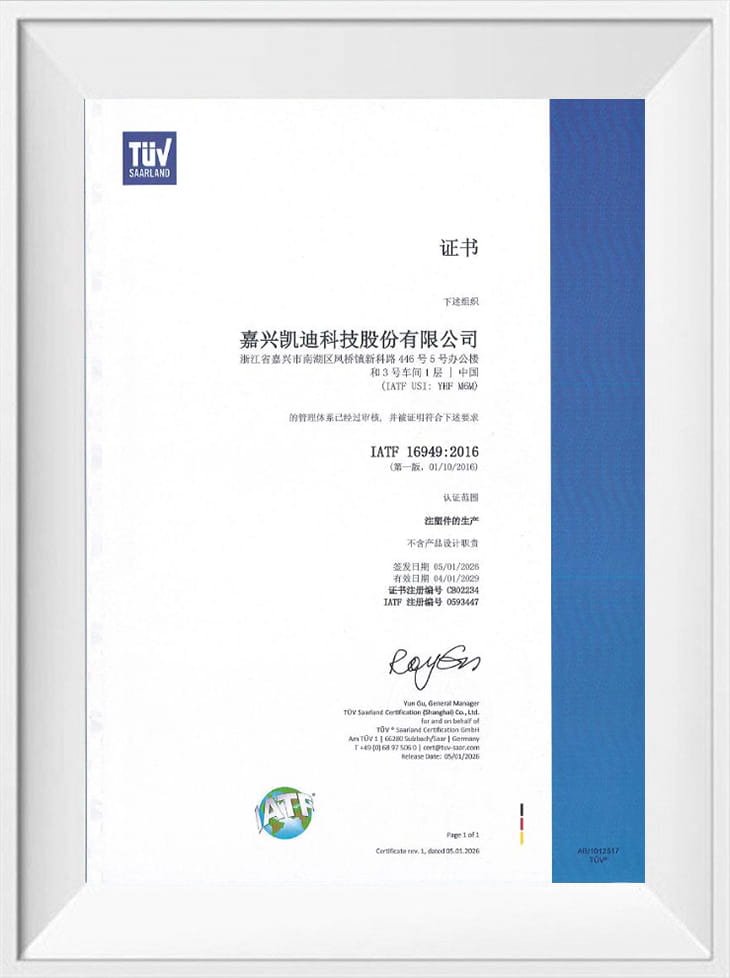
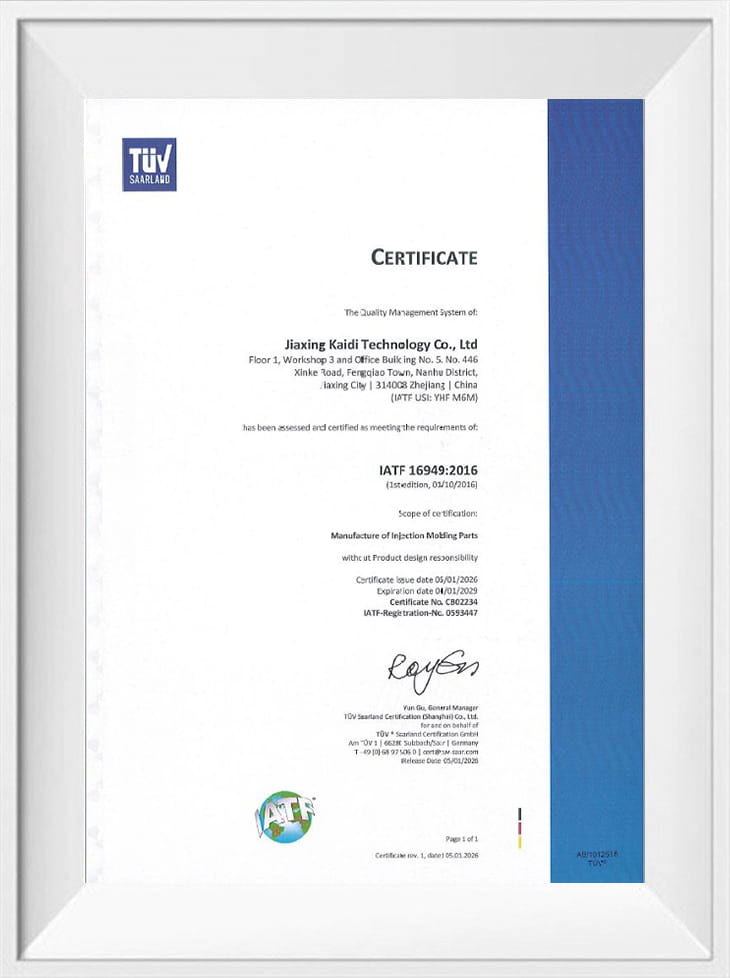
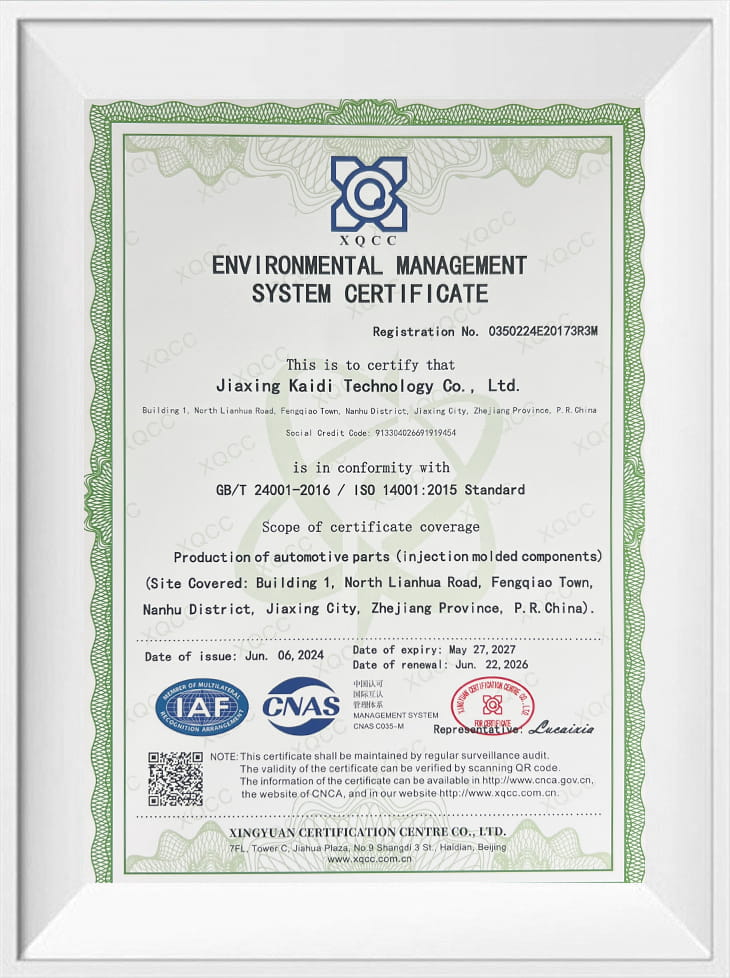
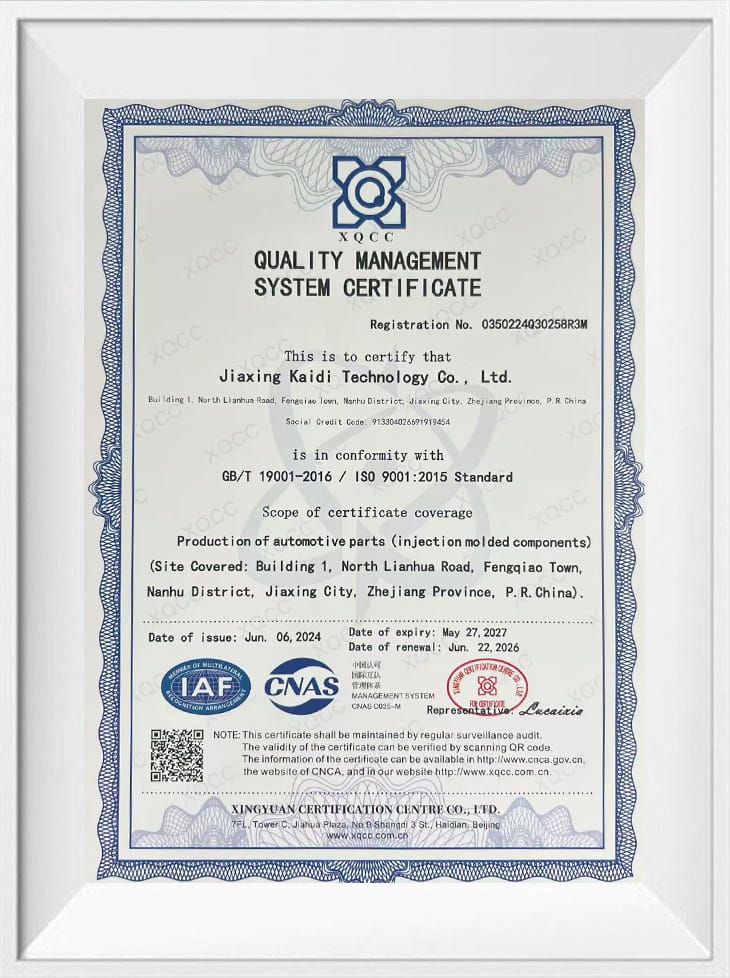
We hold IATF 16949:2016 certification for the manufacture of injection-molded parts, alongside quality and environmental management system certification. Inspection combines dimensional checks against the controlled drawing with appearance checks against the approved sample and finish standard, carried out in the measuring room with the instruments the characteristic requires.
- DFM and Moldflow findings issued before tool release.
- Trial records documenting the processing window, plus mold acceptance documentation.
- Dimensional and appearance inspection reports against approved requirements.
- Preventive mold maintenance records and controlled change management for tooling, resin or finish.
Information We Use to Configure Your Solution
A workable quotation depends on the part, the resin and the production target, so tolerance, tooling scope, sample timing and lot size are quoted per project rather than published as a single figure. The following inputs let us return a manufacturing review and a configuration instead of a price range.
- 3D model and a controlled 2D drawing with critical dimensions, datums and tolerance callouts.
- Resin grade, color, and the appearance or texture standard the part must meet.
- Annual volume, expected batch sizes and any seasonal build pattern.
- Painting requirement: coating type, gloss level, masked areas and color reference.
- Assembly scope, packaging method and delivery destination.
- Approval documents required — PPAP-level evidence, material certificates, first-article reports or specific inspection sheets.
Frequently Asked Questions
Which part sizes can you mold?
Our press list runs from 100 to 1380 tons, covering small technical components such as brackets and adapter parts up to large visible panels such as sidecar canopies and automotive trim. The deciding factors are projected area, shot weight, wall section and the surface requirement, and we confirm the machine during the DFM review rather than at quotation.
Can a project cover tooling only, or only molding?
Yes. Tooling, molding, painting and assembly can be quoted as one integrated scope or limited to the stages a project needs. Many customers start with a mold and a trial sample, then move into production and finishing once the part is validated; others hand us a drawing and take the finished, painted and assembled part.
How do you handle color and gloss on painted parts?
Color and gloss are set against an approved standard before production, and the painted surface is checked against that standard together with coverage and masking accuracy. Because the substrate is molded in the same factory, we can adjust the molding process where sink or flow marks would show through the coating.
What documentation accompanies production parts?
Production is supported by the approved drawing and sample, the documented processing window from the trial, dimensional and appearance inspection results, and mold maintenance records. For automotive programs, the IATF 16949:2016 certified system governs the control plan, traceability and change notification that the customer's quality function asks for.
