
 English
 Español
 Deutsch
 عربى
A color code is a starting point, not a complete specification for a painted plastic component. Before production, buyers should define the substrate, surface appearance, coating boundaries, performance requirements and approval method together.
Two plastic covers can carry the same color reference yet look different when installed side by side. One may appear glossier, show a different texture or reveal uneven coverage around an edge. A sample that looks acceptable on a desk may also look different under the lighting used for final inspection.
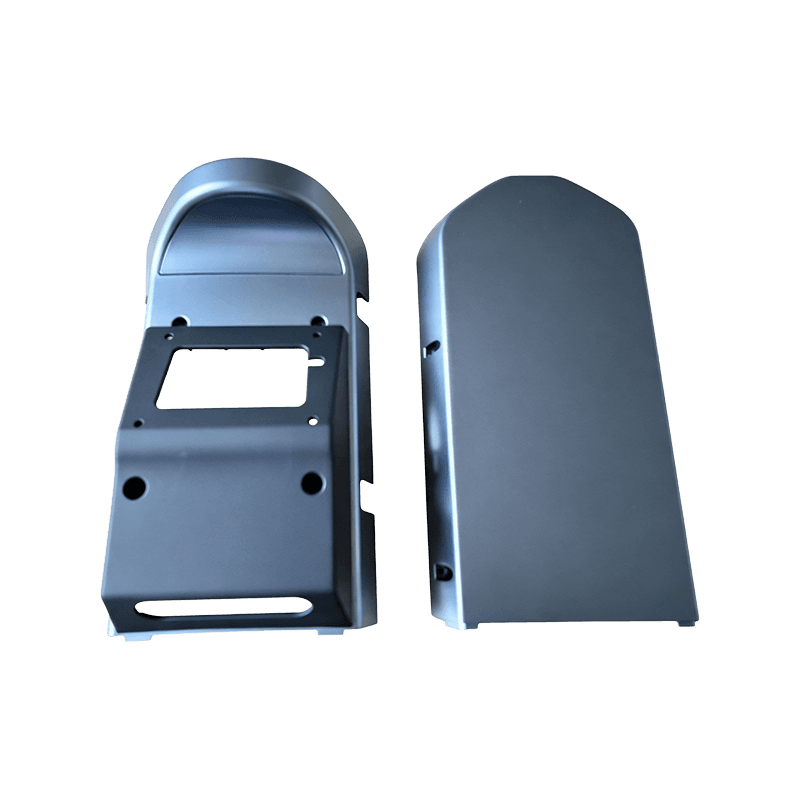
For automotive trim, motorcycle panels, robot housings and appliance components, these differences can affect product acceptance. Clear requirements help purchasing, molding, painting and quality teams work toward the same finished-part standard.
1. Decide Whether the Part Needs Molded-In Color or Painting
Begin with the required result. Molded-in color may meet the needs of some parts, while others require a painted finish for a particular appearance or surface performance. Neither route is automatically the better choice for every application.
Tell the supplier whether the requirement covers overall painting, selected surfaces or multiple colors. Include any intended soft-touch, metallic or other special effect as a requirement for evaluation rather than assuming it is part of a standard finish.
Review the route against the operating environment, production volume and cost target. Where alternatives are welcome, request separate proposals with representative samples and clearly stated assumptions.
2. Confirm the Resin and Coating Compatibility
Specify the resin grade, reinforcement and any restrictions on material changes. Identifying only ABS, PC or PP does not establish that a particular paint system and preparation method will work on the actual molded part.
The manufacturer should review the substrate, surface preparation, coating system and curing conditions together. Release agents, handling contamination and the molded surface condition can affect subsequent finishing. Cleaning or treatment must suit both the resin and the coating.
Where heat is used during curing, assess the part's ability to retain its required shape. Material, paint or preparation changes should follow an agreed review process, with revalidation where necessary.
3. Specify Color, Gloss and Texture Together
Provide the color reference and, where possible, an approved physical appearance sample. Photographs can communicate a design direction, but lighting, camera processing and screens make them unreliable as the sole final acceptance reference.
Define the required gloss and relevant measurement method. Explain whether texture comes from the molded surface, the coating or their combined appearance. A change in texture can alter the visual impression even when the nominal color remains unchanged.
For components assembled together, identify which surfaces must coordinate visually. Record the reference sample's identification, approval status and revision, and keep working references in suitable condition.
4. Mark Visible Surfaces, Coating Boundaries and Masking Areas
Use a drawing or annotated model to distinguish primary visible surfaces, secondary surfaces and hidden areas. Define coating boundaries, edge coverage and any required treatment of the rear surface.
Mark holes, contact faces, clips and other features that must remain uncoated. Where coating affects a functional dimension, clarify whether the drawing requirement applies before or after finishing. Identify acceptable fixture contact locations so holding marks do not appear in an unintended area.
Review gates, parting lines and ejector marks before tooling approval. Paint should not be assumed to conceal every molding-related surface feature. Any preparatory finishing work should be included explicitly in the project scope.
5. Separate Cosmetic Acceptance from Coating Performance
An attractive finish does not establish coating durability, and a coating that passes a performance test may still fail visual inspection. Define both groups of requirements.
Cosmetic criteria can address particles, runs, exposed substrate, pinholes, uneven texture and local color or gloss variation. Relate acceptance limits to the surface's visibility and intended use, rather than applying an unexplained “perfect finish” requirement to the entire part.
Performance requirements may include adhesion, abrasion, cleaning-agent resistance or weathering, depending on the application. Specify the method, exposure conditions and acceptance criteria. Terms such as “automotive-grade paint” are insufficient without the applicable customer requirements and validation scope.
6. Agree on Viewing Conditions and Measurement Methods
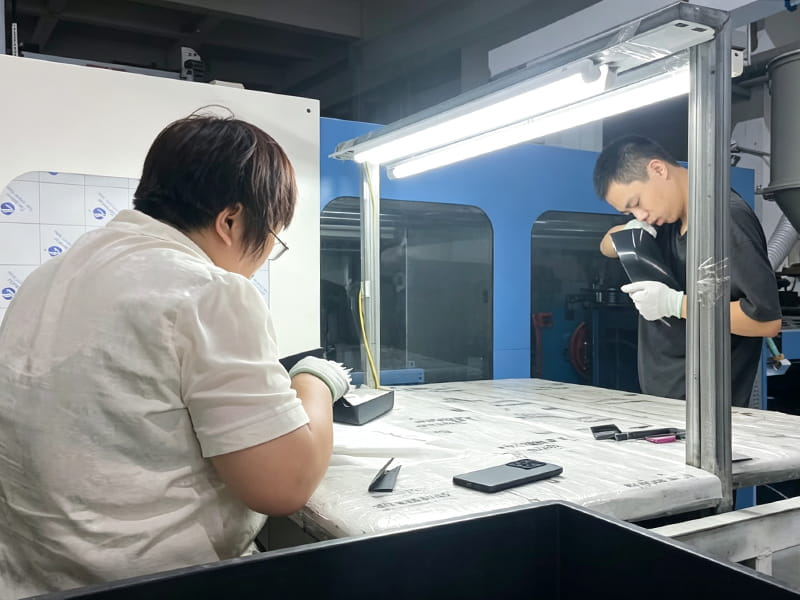
Define how visual inspection will be performed: illumination, viewing distance, angle and observation time. Align these conditions between the supplier and receiving inspection team so an accepted shipment is not judged against an unstated alternative.
Where instruments are used, agree on the measurement method, suitable locations and sample presentation. Curved areas, small features, textures and effect finishes can require a different approach from broad, flat solid-color surfaces.
Set numerical tolerances only after confirming that the method is suitable for the finish. Approved limit samples can help communicate acceptable boundaries, but they need clear identification and consistent use.
7. Approve Samples Representative of Final Delivery
Distinguish an appearance reference from a production approval sample. A painted plaque may establish a visual target without demonstrating coverage, masking or consistency across the actual component's geometry.
Before release, review parts made with the agreed substrate and finishing route. Include edges, recesses and other difficult areas in the assessment. Check related components together when the finished product depends on their visual coordination.
Record the sample revision, coating system, relevant inspection results and approval responsibility. Clarify which changes require a new review. A different resin, paint formulation or significant process change should not silently inherit approval from an earlier sample.
Agree on how approved samples will be retained and distributed between the buyer and supplier. If separate reference sets are used, confirm that they represent the same accepted appearance. Replace damaged or deteriorated working samples through a controlled approval process rather than allowing an unsuitable reference to influence later production decisions.
8. Include Handling and Packaging in the Specification
Surface quality must survive the operations after painting. Confirm that parts reach the appropriate handling and packing condition before they are stacked, assembled or enclosed in protective material.
Review separators, bags, trays and supporting surfaces for possible scratching, marking or sticking under the intended storage and transport conditions. Large panels may also need support to prevent movement and unwanted contact.
Specify labeling and traceability where required, and decide whether final appearance inspection occurs before packaging, after assembly or at both stages. Packaging should protect the approved finish without introducing new surface problems.
A Pre-Production Painting Specification Checklist
| Specification area | Information to confirm |
|---|---|
| Substrate | Resin grade, reinforcement, permitted substitutions and preparation requirements |
| Finishing route | Molded-in color, full or partial painting, and any special effects |
| Appearance target | Color, gloss, texture and identified reference samples |
| Coating coverage | Visible zones, boundaries, edge coverage, masking and fixture contacts |
| Performance | Applicable tests, exposure conditions and acceptance criteria |
| Inspection | Viewing conditions, instrument methods and approved limit samples |
| Sample approval | Representative part condition, revision, responsibilities and change review |
| Delivery protection | Handling condition, packaging contact, separation and final inspection |
Review Molding and Painting as One Manufacturing Project
Appearance requirements are most useful when they reach the manufacturing team before tooling and material decisions are fixed. Resin selection, mold surface condition, molding quality and finishing choices all contribute to the delivered component.
Kaidi combines mold making, injection molding, surface painting and assembly support. For projects using these services, a shared specification helps connect the required finish with the part geometry, production plan and inspection process.
Provide the available drawings, appearance references, operating conditions and expected quantities at the inquiry stage. Where requirements remain open, list them for review and request a clear proposal for sampling and validation before production approval.