

 English
 Español
 Deutsch
 عربى
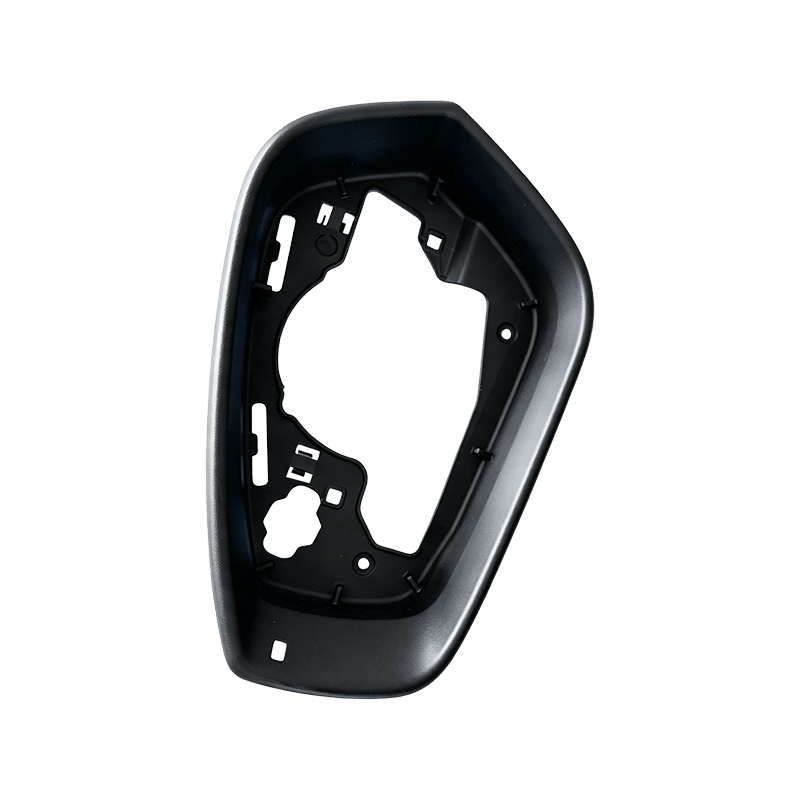
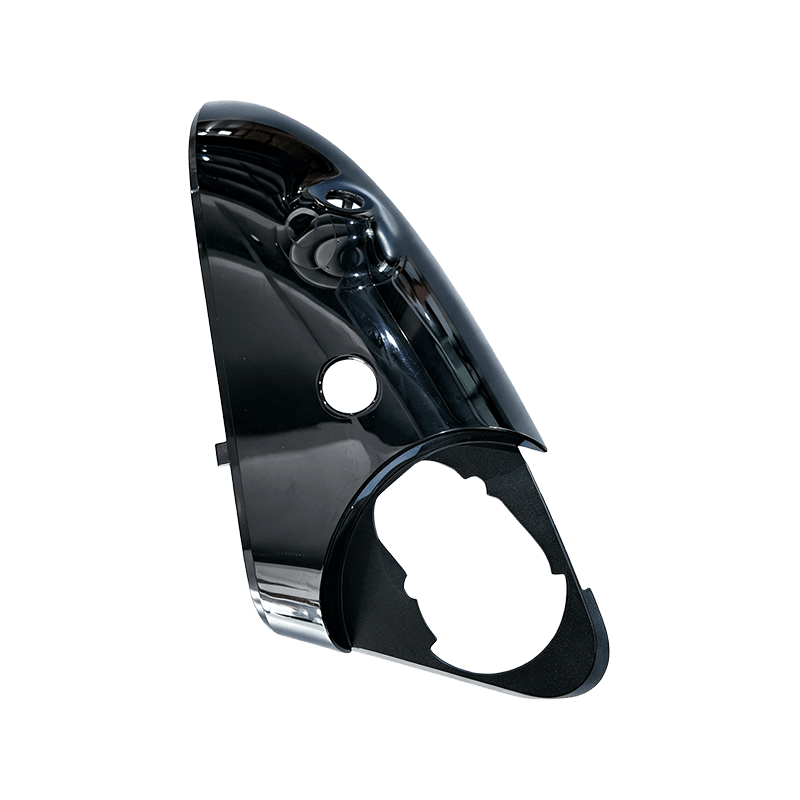
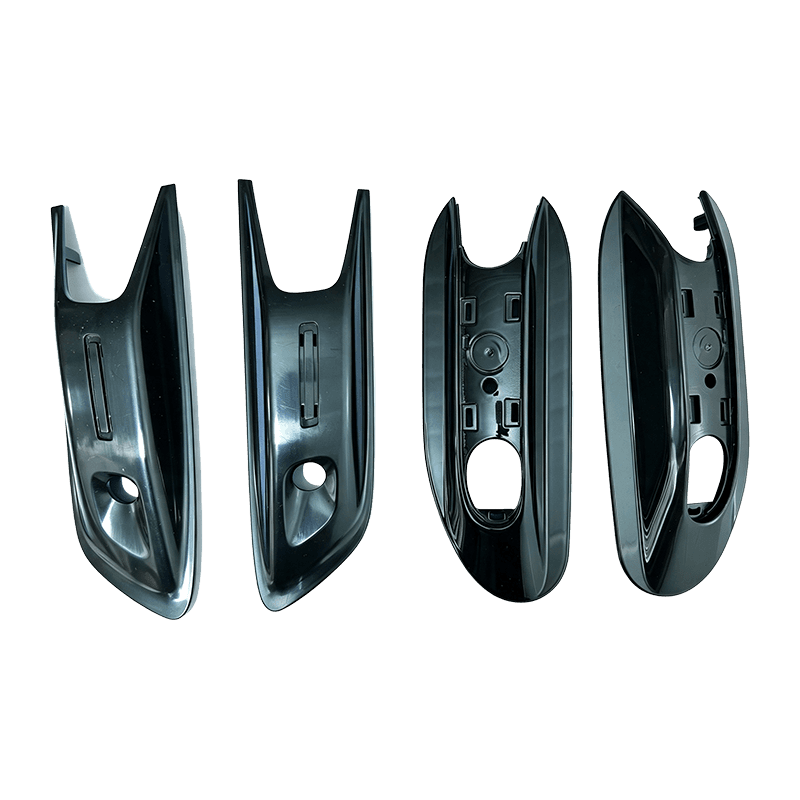
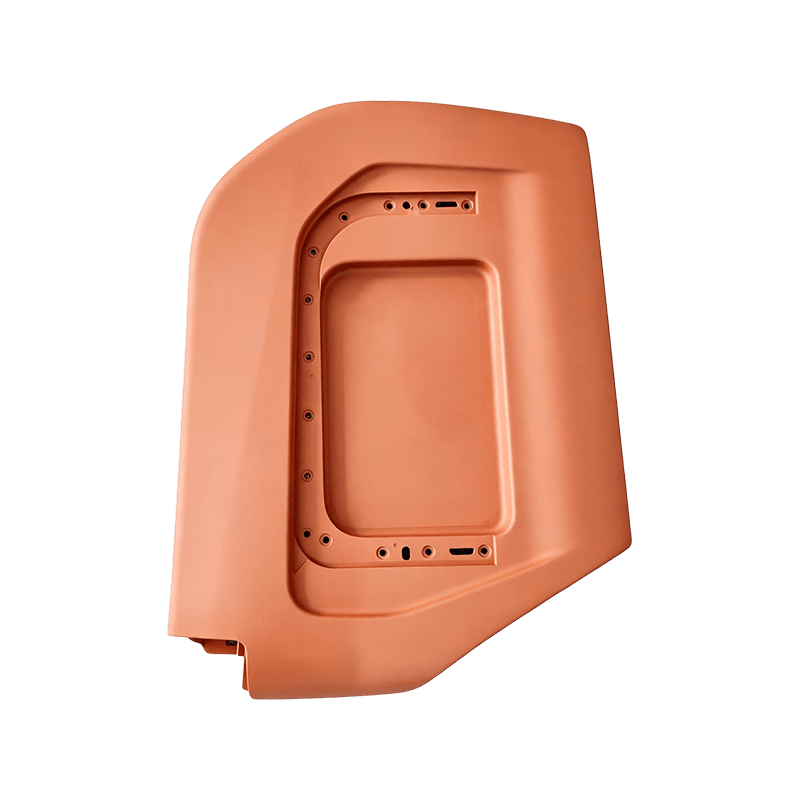
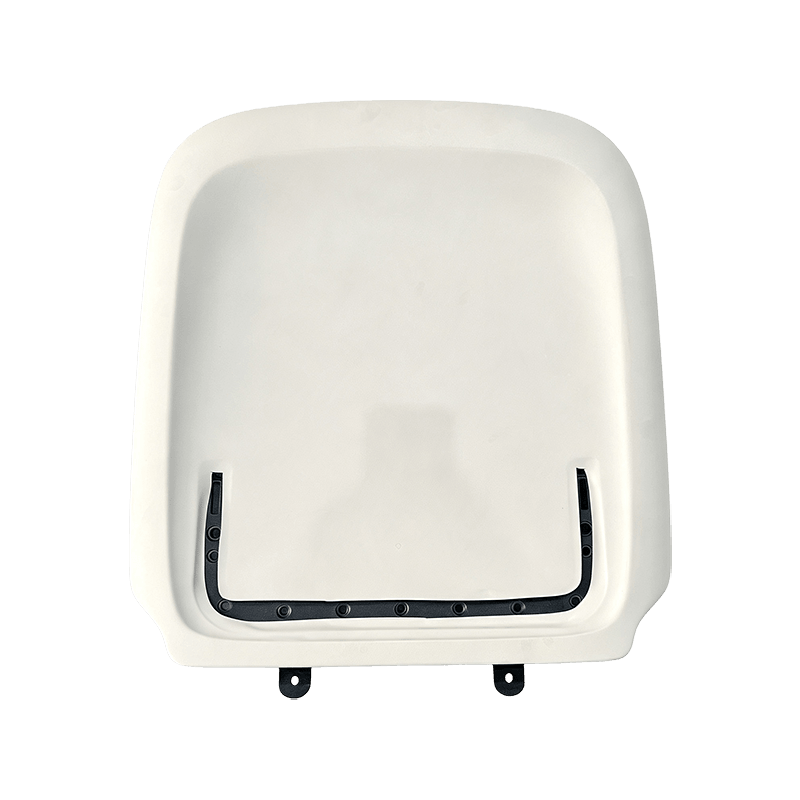
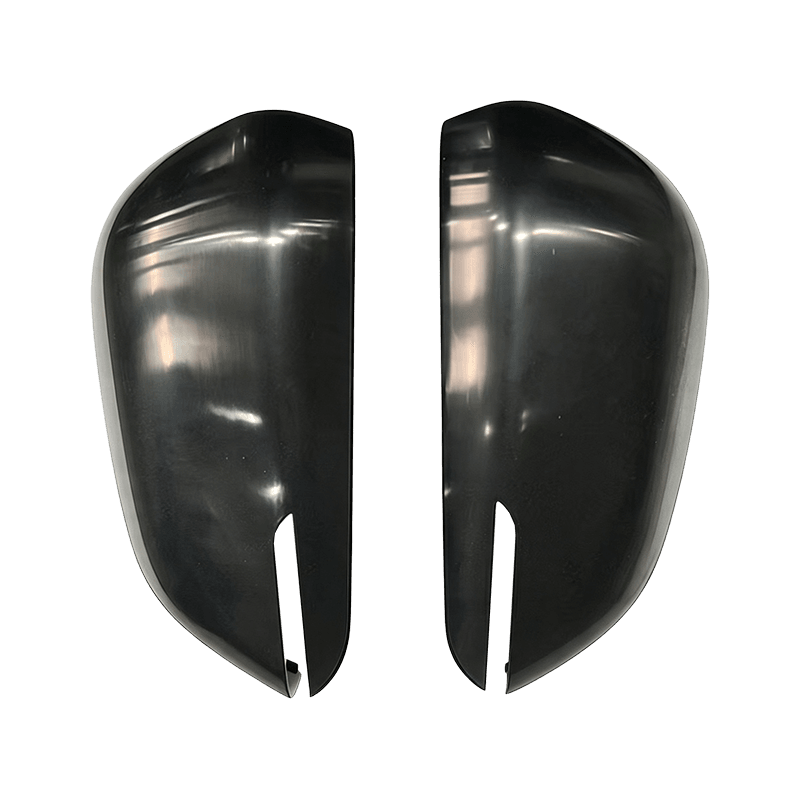
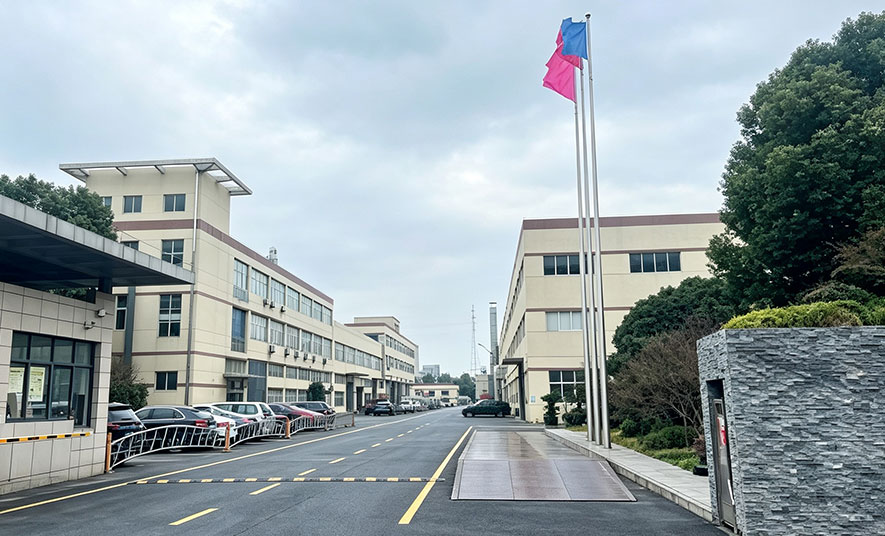

Jiaxing Kaidi Technology Co., Ltd. is an Automotive Plastic Parts manufacturer based in Fengqiao, Jiaxing, Zhejiang, producing molded interior and exterior components for vehicle programs. Established in 2007, we run a 35,000 m² factory on a 52-acre site, with more than 100 people across the injection molding and painting workshops and over half of them qualified technicians. The range covers mirror housings and decorative covers, exterior trim, seat side and back panels and interior decorative parts, molded in ABS, PC+ABS, PP+EPDM-T20 and comparable engineering grades, then painted, assembled and packed for shipment.
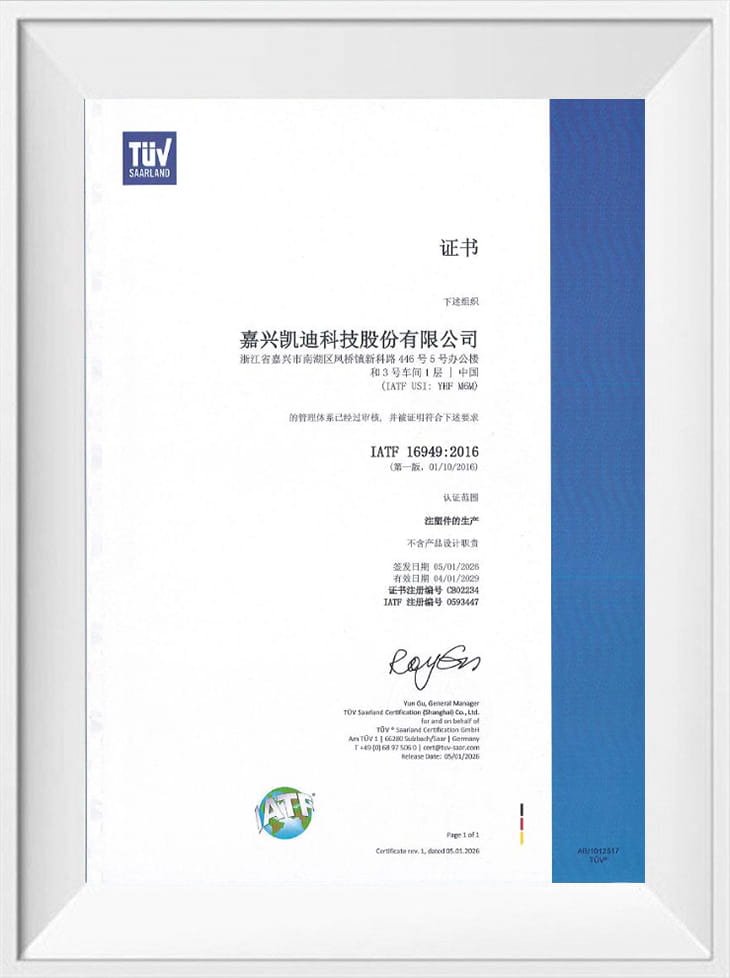
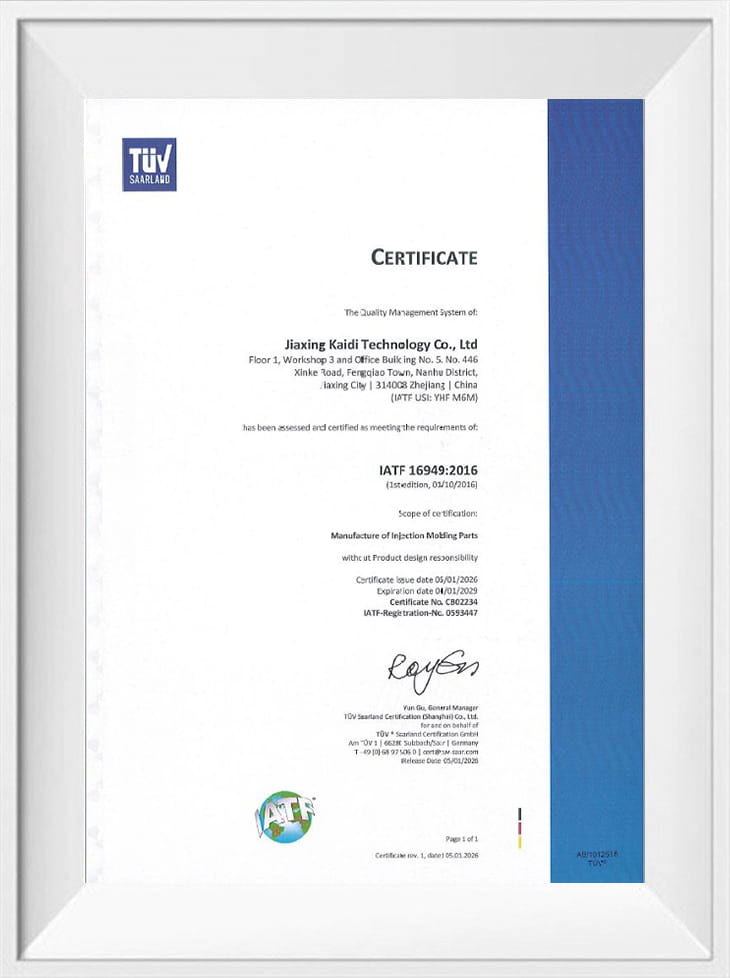
We hold a current IATF 16949:2016 certificate for the manufacture of injection-molded parts. Mold making, molding, spraying and final assembly sit inside the same plant, so an appearance part is not re-quoted, re-fixtured and re-inspected at a second company between molding and painting.
Supplied Range and Where Each Part Family Fits
Each family below is a production part group with its own material logic, tooling approach and acceptance criteria. Surface class, attachment method and paint requirement drive the process route more than the nominal size does.
| Part family | Typical components | Molded material | Application fit |
|---|---|---|---|
| Mirror systems | Rearview mirror housing, mirror decorative cover | ABS | Painted visible surfaces where clip position, datum repeatability and gloss consistency decide fit and appearance |
| Exterior trim | Fender trim | PC+ABS | Body-side parts needing impact strength and heat resistance under a painted finish |
| Seat side structures | Seat side panel | PP+EPDM-T20 | Long flexible panels where scratch resistance and low warpage matter more than high gloss |
| Seat back structures | Seat back panel | PC+ABS | Stiffness and thermal stability behind upholstery, with molded ribs and mounting features |
| Interior decorative parts | Interior decorative cover | ABS | Grained or painted cabin surfaces with defined matte or high-gloss finish |
| Structural brackets and housings | Support brackets, sensor and controller housings | PC+ABS, PA66+GF30 | Dimensionally stable carriers with metal-safe inserts, snap fits and screw bosses |
Material Selection for Interior and Exterior Service
We work from the service environment backwards: UV exposure, cabin temperature, contact with skin and cleaning agents, and the mechanical load at clips and fasteners. Material grade is agreed before tool steel is cut, because shrinkage, gate position and cooling layout all follow from it.
- ABS for painted interior and mirror parts: good flow, clean grain reproduction and predictable dimensional behavior at Class-A surfaces.
- PC+ABS for exterior trim and seat back panels: added impact and heat resistance while keeping a paintable surface.
- PP+EPDM-T20 for seat side panels: rubber-modified, talc-filled compound that resists scuffing and holds shape on long, thin sections.
- PA66+GF30 for brackets and adapters: glass-fiber reinforcement for stiffness at mounting points, with gate and weld-line planning to protect strength.
Where a customer already holds a material specification, we mold to that grade and document the batch. Where the specification is open, we propose a shortlist with the trade-offs stated, then confirm on samples before production release.
DFM, Tooling and Press Capability
Our injection molding program starts with a DFM review of wall sections, ribs, draft, gates, ejectors, undercuts and critical dimensions, followed by Moldflow analysis to settle gate location and filling balance before the tool design is frozen. Tools are built in-house, including the automotive injection molds used for these parts, and maintained in our own mold maintenance workshop after launch.
- Press range from 100 to 1380 tons, covering small housings through larger trim panels.
- Two-color injection molding for parts that combine a substrate with a soft-touch or contrasting surface.
- Tool design decisions recorded against the part number, including datum scheme, cooling layout and ejection plan.
- Sampling and dimensional verification before the tool is released to serial production.
Painting, Coating and Assembly
Appearance parts are finished on in-house spray lines through our automotive and motorcycle painting process, with UV coating and matte or high-gloss topcoats available. Color and gloss are matched against the approved standard and checked on the same line that produces the parts, which removes the transport and handling loop between molder and painter.
- Primer, basecoat and clearcoat sequences configured around the substrate and the required finish.
- Grain, texture and gloss targets defined per visible surface, not per part.
- Assembly of painted parts with clips, inserts, foam or mating components before packing.
- Handling fixtures and packaging designed to protect Class-A surfaces in transit.
Quality Control and Acceptance
Under our IATF 16949:2016 quality system, the parameters we hold on these parts are visible-surface quality, stable clip and datum locations, warpage control on large trim, color and gloss matching, controlled change management and repeatable production documentation. Measurement is carried out in a dedicated measuring room using the instruments suited to the feature and the tolerance.
- Dimensional reports against the drawing datum scheme, including clip and fastener positions.
- Warpage and gap/flush checks on long panels, measured in the fixture used for assembly.
- Color and gloss verification against the approved master, recorded by batch.
- Engineering changes routed through a controlled approval step before tooling or process changes are released.
- Material batch traceability retained with the production record for the part number.
Information We Use to Configure Your Solution
A workable quotation for automotive plastic parts rests on a small set of inputs. When these arrive together, we can return a tooling concept, process route and piece price instead of a range.
| Input | What we need | How it shapes the proposal |
|---|---|---|
| Part geometry | 3D model (STEP or native) plus 2D drawing with tolerances, datums and critical characteristics | DFM findings, draft and undercut strategy, ejector layout, tool concept |
| Material and performance | Grade, filler content, impact, heat and UV requirements, any customer specification | Shrinkage compensation, gate position, cooling design, press selection |
| Appearance | Color standard, gloss target, grain reference, definition of visible surfaces, paint requirement | Steel finish, polishing level, painting route, inspection lighting and limits |
| Volume and call-off | Annual quantity, batch size, delivery pattern, packaging preference | Cavitation, cycle target, capacity slot, packing and shipping scope |
| Tooling status | New tool or existing tool transfer, cavitation, tool ownership and maintenance responsibility | Tool build or tool survey, spare inserts, maintenance plan |
| Acceptance scope | Dimensional report format, first-article requirement, submission level, test pieces | Inspection plan, documentation package, sampling quantity before release |
Send the drawing set, the material callout and the annual volume and we will come back with the process route, the tooling scope and the points that need a decision from your engineering team.
Questions We Answer Before Tooling Starts
Which materials do you mold for automotive interior and exterior parts?
ABS, PC+ABS and PP+EPDM-T20 are the grades used across our current automotive range, with PA66+GF30 and other reinforced compounds for brackets and housings. We mold to the customer's specified grade where one exists, and propose alternatives with the mechanical and processing trade-offs stated where the specification is still open.
How large a part can you produce?
Our presses run from 100 to 1380 tons, which covers small mirror covers and housings up to larger interior and exterior trim panels. For each enquiry we match part projected area, wall section and cavitation to the press, and confirm the machine before quoting the cycle.
Do you supply tooling only, or molded parts as well?
Both. Tooling can be quoted as a standalone package with samples for approval, or as part of a supply scope that includes molding, painting and assembly. Tools remain supported by our mold maintenance workshop, and existing tools can be transferred in for production.
How do you control warpage and clip fit on long trim parts?
Warpage is addressed in the tool: gate location and filling balance from Moldflow, cooling layout, ejection strategy and packing profile all influence the final shape. Clip and datum positions are treated as critical characteristics, measured against the drawing scheme, and checked in the assembly fixture so the part is verified in the condition it will be installed.
